There is also a medicine called clobetasol which sounds similar to clobetasone. Clobetasol is a stronger steroid and is only available with a prescription.
What clobetasone is for
Clobetasone is a type of medicine called a steroid (corticosteroid).
Steroid medicines help reduce inflammation and swelling. They're different to anabolic steroids, which some people use illegally to help build bigger muscles.
Clobetasone is a medium strength steroid, which means it tends to cause fewer side effects than some other steroids.
Clobetasone can be used to treat skin conditions such as:
- eczema
- contact dermatitis
- nappy rash
- reactions to insect bites and stings
It may also be used to help keep your condition under control between courses of a stronger steroid. This is known as maintenance therapy.
There is also a medicine that contains clobetasone combined with an antibiotic and an anti-fungal medicine. This is used to treat skin conditions where there is an infection.
How to use clobetasone
Clobetasone comes as cream or ointment that you'll usually use once or twice a day.
The amount of clobetasone you need depends on the size of the area you're treating. You only need to use enough to cover the affected area in a thin layer.
It's measured in fingertip units, which is the amount you can fit onto the end of your finger from the tip to the first crease. A fingertip unit is enough to treat an area twice the size of the palm of an adult's hand. Children will need to use less cream but you can still use an adult's fingertip to measure the units needed.
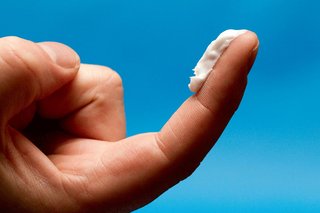
When using clobetasone:
- Wash your hands before using it.
- Squeeze the amount you need onto the end of your finger. If you accidentally squeeze out too much, wipe off what you do not need.
- Put it on the affected area and gently rub it in until it disappears.
- Wash your hands afterwards (unless you're using it on your hands).
Always follow the advice of your doctor or pharmacist about how to use it. You can also check the packet or leaflet that comes with your medicine.
Things to avoid
-
do not use clobetasone on cuts or wounds
-
do not smoke or go near naked flames – clothing and bedding that's been in contact with clobetasone burns more easily
-
do not use clobetasone on your face, penis or vulva (area around the opening of the vagina) without talking to a pharmacist or doctor first – it can damage the skin in these areas
-
do not cover the affected area with a dressing or plaster after clobetasone
-
do not swallow clobetasone – get medical help if you swallow it accidentally
Important
Do not use clobetasone for more than 7 days unless a pharmacist or doctor tells you to.
If you've been prescribed it and need to use it for a long time, do not stop using it unless a doctor or pharmacist tells you to. Stopping suddenly can cause a withdrawal reaction.
If you miss a dose of clobetasone
If you forget to use a dose of clobetasone, use it as soon you remember, unless it's nearly time for your next dose.
If it's nearly time for your next dose, skip the dose you missed and use your next dose at the usual time.
Do not use 2 doses to make up for a missed dose.
If you use too much clobetasone
Do not worry if you sometimes use more clobetasone than you should. But avoid regularly using too much because it can increase the risk of side effects.
Non-urgent advice: Speak to a pharmacist if:
- you've used more clobetasone than it says on the packet, leaflet or prescription and it's causing symptoms
How to stop using clobetasone
If you have been using clobetasone for a while, your skin condition may get worse after you stop using the medicine. This can cause a withdrawal reaction such as redness, burning or stinging, intense itching, peeling skin and oozing sores. Redness may be more difficult to see on brown or black skin.
Do not start using clobetasone again without talking to your doctor, unless they have previously said it's OK.
Side effects of clobetasone
Like all medicines, clobetasone can cause side effects, although not everyone gets them.
Possible side effects of clobetasone include:
- thinning of the skin in the affected area
- a rash that may be itchy
- your skin becoming lighter or darker than usual
- small red lines (blood vessels) on your skin
Clobetasone does not usually affect your ability to drive or use machinery.
Non-urgent advice: Speak to a pharmacist or doctor if:
- you have any side effects that bother you or do not go away
They may be able to give you advice about how to reduce any side effects. Keep using your medicine unless you're advised to stop.
Find a pharmacySerious side effects
Clobetasone can sometimes cause serious side effects, although most of them are rare.
You're more likely to get them if you use clobetasone for a long time.
Possible serious side effects of clobetasone include:
- an allergic reaction (anaphylaxis) – this can cause symptoms such as a swollen throat or tongue, a raised, itchy rash and difficulty breathing
- adrenal insufficiency – this can cause symptoms such as vomiting, muscle weakness, loss of appetite, weight loss, mood changes or feeling dizzy, faint or very tired
- Cushing's syndrome – this can cause symptoms such as weight gain, a puffy face, muscle weakness, dizziness, excessive hair growth or hair loss
Immediate action required: Call 999 if:
- you're using clobetasone and think you might be having anaphylaxis
If you think you're having any other serious side effect, call NHS 111.
More about side effects
These are not all the side effects of clobetasone.
For a full list, see the leaflet that came with your medicine or search for your medicine leaflet on the electronic medicines compendium website.
You can report any side effects you get on the Yellow Card Scheme website
Who can and cannot use clobetasone
Most adults and children aged 12 years and over can use clobetasone.
Children aged 11 years or under should only use it if advised to by a doctor.
Clobetasone is not suitable for everyone. For example, you may not be able to use it if you have:
- ever had an allergic reaction or serious side effect from clobetasone or another steroid
- acne or rosacea
- cold sores
- inflamed skin around your mouth (perioral dermatitis)
- a skin infection
- chickenpox or shingles
Check the packet or leaflet that comes with your medicine to see if it's suitable for you. Speak to a pharmacist or doctor if you're not sure you can use it.
Breastfeeding and clobetasone
You can usually use clobetasone while breastfeeding, but check with a pharmacist or doctor first.
If you're using clobetasone on your chest (particularly on your breasts and nipples) while breastfeeding, wash it off with warm water before feeding your baby.
It's rare for breastfed babies to get any side effects from medicines you're using but speak to a healthcare professional if you have any concerns about your baby.
Pregnancy and clobetasone
If you're pregnant, check with a pharmacist or doctor before using clobetasone.
You can usually use clobetasone during pregnancy, although a pharmacist or doctor may advise using small amounts for the shortest possible time.
Using clobetasone with other medicines, food and drink
It's unlikely other medicines will affect the way clobetasone works.
But before you use it, speak to a pharmacist or doctor if you're taking any other medicines, or any herbal remedies, vitamins or supplements.
Food, drink and alcohol with clobetasone
You can eat and drink as normal while using clobetasone.
Find out more about your medicine
To find out more about your medicine, you can:
- check the leaflet that comes with it
- search for your medicine leaflet on the electronic medicines compendium website
- speak to a pharmacist or doctor for advice